How to Start Van Life: Beginner Roadmap (2026)
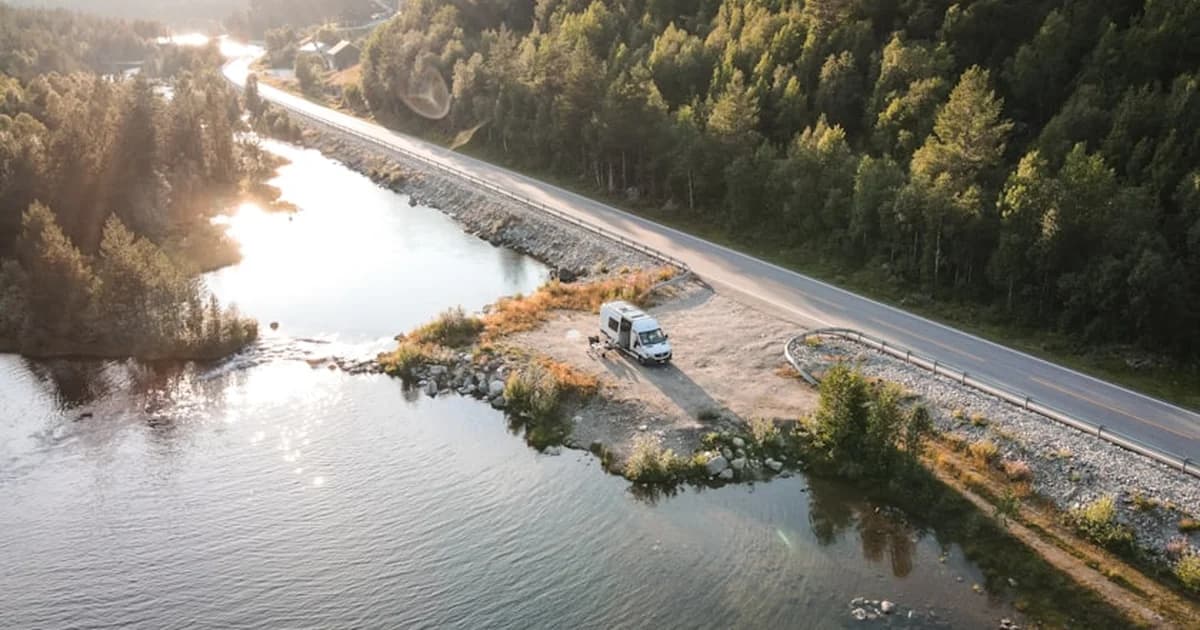
Photo by [Unsplash](https://unsplash.com). Licensed under Unsplash License.
How to Start Van Life: A Complete Beginner's Roadmap (2026)
You've seen the Instagram photos — sunrise over a desert canyon, coffee brewed on a tailgate, a life unchained from a 9-to-5 desk. Van life looks magical, and for many people it genuinely is. But scrolling through hashtags won't teach you how to start van life with confidence. What you need is a clear, honest roadmap that covers the money, the logistics, the vehicle, the conversion, and everything in between.
This guide is built for complete beginners. If you know nothing about vans, conversions, or full-time travel — you're in exactly the right place. By the end of this article, you'll have a step-by-step plan you can start executing today, plus the mistakes to avoid so you don't learn the hard way.
Let's break it all down.
Step 1: Define Your "Why" and Budget
Before you Google "cheapest cargo van for sale," pause and answer one question: Why do you want to live in a van?
Your answer shapes every decision that follows. Common motivations include:
- Financial freedom — escaping high rent or mortgage payments
- Travel and adventure — waking up in a new place every week
- Minimalism — owning less, living more intentionally
- Remote work flexibility — taking your office wherever you park
- A combination of all the above
There's no wrong answer, but being honest with yourself prevents a costly mid-trip crisis. Many people rush into van life for the aesthetic and burn out within three months. The ones who last have a clear "why."
Set Your Financial Baseline
Next, figure out what you can actually spend. Use our Van Life Cost Calculator to get a realistic number — not the number you wish were true.
Here's a rough budget framework for 2026:
| Expense Category | Low End | Mid Range |
|---|---|---|
| Van purchase | $5,000 | $20,000–$40,000 |
| Conversion (DIY) | $3,000 | $10,000–$20,000 |
| Conversion (professional) | $30,000 | $80,000+ |
| Monthly living costs | $500 | $1,500–$2,500 |
| Insurance (annual) | $800 | $2,000+ |
How Much Does It Really Cost to Start Van Life in 2026?
Let's break down what van life actually costs, because the internet is full of people claiming they live on $200 a month and that's not realistic for most people.
One-time startup costs:
| Item | Budget Option | Comfortable Option |
|---|---|---|
| Used cargo van (2005–2015) | $5,000–$10,000 | $15,000–$35,000 |
| Basic DIY conversion (insulation, bed, kitchen) | $2,000–$5,000 | $8,000–$15,000 |
| Solar setup (200W panel + battery + inverter) | $800 | $2,500–$4,000 |
| Tools, safety gear, initial supplies | $500 | $1,500 |
| Total startup | $8,300–$16,300 | $27,000–$55,500 |
Monthly living costs (full-time):
| Expense | Budget | Mid-range |
|---|---|---|
| Fuel (15–20 mpg diesel/gas) | $200–$400 | $500–$800 |
| Campground fees (mix of free + paid) | $0–$200 | $300–$600 |
| Food (groceries + occasional restaurant) | $250–$400 | $500–$800 |
| Phone + internet (hotspot) | $50–$100 | $100–$200 |
| Vehicle maintenance (averaged monthly) | $100–$200 | $200–$400 |
| Insurance (van + health) | $150–$300 | $300–$500 |
| Misc (laundry, showers, supplies) | $50–$100 | $100–$200 |
| Total monthly | $800–$1,300 | $2,000–$3,500 |
The people who tell you van life costs $500/month are either:
- Not counting vehicle maintenance
- Camping exclusively for free (which works, but limits where you can stay)
- Not including their initial conversion costs
A realistic minimum for a comfortable, sustainable van life is $1,000–$1,500 per month — and you should have at least $5,000–$8,000 in savings before you start, to cover emergencies, unexpected repairs, or a rough patch.
Read our Van Life Cost Breakdown for a detailed line-by-line analysis based on real expenses.
The single biggest mistake beginners make is underestimating the conversion budget. A detailed breakdown is available in our Van Life Cost Breakdown guide.
Step 2: Choose Your Van
Start by knowing your budget — try the calculator
Try the Cost CalculatorFree · Based on 2026 real data · All 50 states
Free · 2026 data · All 50 states
Your van is your house, your vehicle, and your largest single expense. Choosing the right one matters more than picking the perfect paint color.
The Big Three Cargo Vans
Mercedes-Benz Sprinter
- Pros: Best fuel economy in the class, high roof options, strong resale value, huge aftermarket support
- Cons: Most expensive to buy and maintain, requires specialized mechanics
- Best for: Cross-country travelers who plan to drive long distances regularly
Ford Transit
- Pros: Most popular van in North America, affordable parts, easy to find mechanics everywhere, multiple roof heights and wheelbase lengths
- Cons: Slightly lower fuel economy than the Sprinter, rust issues in older models
- Best for: First-time van lifers on a budget — the best all-around choice
Ram ProMaster
- Pros: Front-wheel drive gives more interior floor space (no driveshaft hump), lowest purchase price of the three
- Cons: Fiat-based engine can be unreliable, lower resale value, fewer mechanic options in rural areas
- Best for: Budget builders who want maximum interior space for the money
Consider a Used Van
If your budget is under $15,000, a used cargo van is your best path. Look for:
- Mileage under 150,000 miles — most diesel engines last 300,000+ with proper maintenance
- No rust on the frame or wheel wells — surface rust is fine; structural rust is a dealbreaker
- A clean title and maintenance records — always get a pre-purchase inspection ($100–$200 that could save you thousands)
- High-roof, long-wheelbase models — these hold their value best and offer the most living space
Alternative Vehicle Options
Not every van lifer drives a cargo van. Depending on your needs, consider:
- School buses (Skoolies) — massive space, lower price per square foot, but harder to park and drive
- Passenger vans — already have windows and seating, less conversion work needed
- Compact vans (Transit Connect, City Express) — ideal for solo travelers who prioritize fuel savings and city maneuverability
Step 3: Plan Your Conversion
The conversion is where your van becomes a home. This is the phase that excites most people — and overwhelms them just as quickly.
DIY vs. Professional Build
DIY conversion costs $3,000–$20,000 and takes 2–6 months of weekends or 1–3 months of full-time work. You'll learn invaluable skills, but expect mistakes along the way.
Professional conversion costs $30,000–$150,000+ and takes 2–6 months waiting for a shop slot. The result is polished, but you'll pay a significant premium.
Hybrid approach (recommended for most beginners): Hire a professional for the complex work — electrical, plumbing, insulation — and handle the simpler tasks yourself, like building the bed frame, installing paneling, or adding curtains.
Check our Van Conversion Cost Guide for itemized pricing on every major system.
The Four Essential Systems
Every van conversion needs to address these four systems:
1. Sleeping Platform (Bed) A fixed bed or a convertible dinette. Platform beds with storage underneath are the most popular choice. Build yours from plywood with slats for ventilation.
2. Electrical System Start with the basics: a 100Ah lithium battery, a 200W+ solar panel, a charge controller, and a 1000W inverter. This is enough to charge laptops, run LED lights, and power a small fridge. You can always expand later.
3. Water System A simple setup: a 5–10 gallon freshwater jug, a 12V water pump, and a portable sink. Add a gray water container underneath. Fancy plumbing can wait — you don't need a shower on day one.
4. Storage This is the most underrated system. Every inch matters. Plan storage before you build anything else. Use vertical space, under-bed compartments, and overhead cabinets. Our Van Life Checklist includes a storage planning worksheet.
Step 4: Handle the Legal Stuff
The legal side of van life is boring but critical. Get this wrong, and a routine traffic stop could turn into a nightmare.
Insurance
Standard personal auto insurance often doesn't cover a converted van used as a residence. You'll likely need:
- Modified vehicle coverage — tells your insurer about the conversion
- Full-timer's insurance — required if the van is your primary residence (companies like Progressive, Geico, and specialty providers like Hartsburg offer this)
- Budget $800–$2,000 per year depending on your driving record and coverage level
Domicile and Mail
You need a legal address for your driver's license, vehicle registration, taxes, and receiving mail. Popular solutions:
- Mail forwarding services — Escapees, St. Brendan's Isle, and Traveling Mailbox all offer real street addresses with mail scanning and forwarding
- Choose a domicile state wisely — Texas, Florida, and South Dakota are the most popular because they have no state income tax, friendliness to full-timers, and simple registration processes
- You can only have one legal domicile, so research carefully before committing
Vehicle Registration
Register your van in your domicile state. Some states require a VIN inspection for converted vehicles. Factor in:
- Annual registration fees ($50–$500 depending on state and vehicle weight)
- Emissions or safety inspection requirements
- Potential property tax on the vehicle (yes, some states tax your van as personal property)
Step 5: Build Your Income Strategy
You can't live van life without income. The good news: there are more ways to fund this lifestyle than ever before.
Remote Work
The most stable option. If your current job allows remote work, you've already solved the hardest problem. Popular remote-friendly fields include:
- Software development and IT
- Digital marketing and SEO
- Customer support and sales
- Writing, editing, and content creation
- Virtual assistance and administrative work
If you're looking for a remote job, check job boards like We Work Remotely, Remote.co, and FlexJobs.
Seasonal and Work-for-Hire
Many van lifers supplement income with seasonal work:
- Camp hosting — free campsite plus $1,000–$2,500/month at national and state parks
- Harvest work — fruit picking and farm work pays $15–$25/hour in many regions
- Tourism jobs — ski resorts, national park concessions, and festival staffing
- Workamping — exchange labor for a site at RV parks and campgrounds
Passive and Semi-Passive Income
- Rental income — from a property back home
- Digital products — courses, templates, ebooks sold online
- Content creation — YouTube, blogging, or social media (takes 12–24 months to generate meaningful income)
- Investment income — dividends, interest, or rental income from a portfolio
The Income Rule
Never start van life without at least one confirmed income source. The stress of having zero income while living out of a vehicle is crushing and leads to a quick burnout.
Step 6: Plan Your First Route
Your first trip shouldn't be "drive anywhere." Plan a focused route that matches your comfort level.
Start in a Beginner-Friendly State
Some states make van life dramatically easier thanks to dispersed camping, mild weather, and welcoming communities:
- Arizona — vast Bureau of Land Management (BLM) land, warm winters, a massive van life community near Tucson and Phoenix, and some of the best dispersed camping in the country
- Colorado — stunning scenery, great summer weather, tons of BLM and national forest land, and a well-established van life scene around Denver, Salida, and Crested Butte
- Utah — five national parks, endless public land, dry weather, and some of the most photogenic landscapes in the country
- New Mexico — cheap cost of living, warm climate, huge stretches of public land, and a growing van life community
5 Beginner-Friendly Van Life Routes to Consider
-
Southeast Loop (2 weeks) — Start in North Carolina, head south through South Carolina to Fort DeSoto Park, Florida for beach camping, then swing through Georgia and back. Mild weather, great dispersed camping, and some of the friendliest van life communities in the country.
-
Southwest Sampler (10 days) — Fly into Phoenix, pick up your van, and hit Patagonia Lake State Park, Arizona for birding and borderlands camping, then drive to Bryce Canyon, Utah for hoodoos and stargazing. End in Las Vegas for supplies.
-
Pacific Northwest (2 weeks) — Base yourself near Rattlesnake Lake, Washington for easy access to Seattle, then drive north to Diablo Lake in the North Cascades for the most photogenic camping in the state.
-
Black Hills Circuit (5 days) — Perfect for a first solo trip. Black Hills NF near Custer offers free camping, Mount Rushmore is 25 minutes away, and the Wildlife Loop road puts bison and pronghorn right in your path.
-
Texas Hill Country Weekend (3 days) — Enchanted Rock is 75 miles west of Austin, has excellent facilities, and the granite dome summit at sunset is unforgettable. Great shakedown trip before going further.
Plan Your First Week
- Drive 100–200 miles from home — close enough to return if something breaks
- Book at least one campground — having a "base" with hookups gives you a safety net
- Research free camping apps — iOverlander, FreeCampsites.net, and the Vanyage campground database
- Leave wiggle room — don't plan every single stop; flexibility is half the point of van life
Common Mistakes to Avoid
After talking to hundreds of van lifers, these are the most frequent beginner errors:
1. Overbuilding the Van Before Testing the Lifestyle
Don't spend $30,000 on a conversion before you've spent even one night sleeping in your van. Camp in it for a weekend first. Some people discover they hate the confined space — and that's okay, but find out before you install the flooring.
2. Ignoring Ventilation and Insulation
A poorly insulated van is an oven in summer and a freezer in winter. Invest in proper insulation (Havelock wool or XPS foam) and at least two roof vents. This is not the place to cut corners.
3. Forgetting About Parking Legality
You can't just park anywhere overnight. Many cities prohibit overnight parking in residential areas, and some Walmart locations have stopped allowing it. Always research parking rules for your specific destination.
4. Buying the Wrong Van for Your Needs
A high-top Sprinter is amazing for cross-country trips but miserable to park in San Francisco. Match your van size to your actual travel plans, not your fantasy travel plans.
5. Underestimating Monthly Costs
Fuel, food, campground fees, maintenance, insurance, and phone bills add up fast. Most full-time van lifers spend $1,000–$2,500 per month. Use our Van Life Cost Calculator to build your actual budget before you commit.
6. Not Having a Plan B
Mechanical breakdowns, health issues, relationship changes, and burnout are all real. Have an exit strategy — a savings buffer of at least $3,000–$5,000, a contact person who knows your plans, and a fallback job option.
7. Going It Alone Without a Community
Van life can be isolating, especially in the first few months. Join Facebook groups (like "Van Life Women" or "Van Life DIY"), attend van life meetups, and connect with other travelers on apps like iOverlander. Your community will save you from loneliness and from costly mistakes.
Essential Van Life Gear Checklist
Before you hit the road, make sure you have these essentials. This isn't everything you could bring — it's what you actually need for a safe, comfortable first trip:
Safety & Navigation:
- First aid kit (comprehensive, not just bandaids)
- Fire extinguisher (mounted, accessible)
- Carbon monoxide detector (if you have any gas appliances)
- Paper maps + phone mount + car charger
- Jumper cables, tire pressure gauge, basic tool kit
Kitchen & Food:
- Two-burner camp stove + fuel
- Cooler (electric or high-quality ice cooler)
- Water containers (5–7 gallon minimum)
- Basic cookware: pot, pan, spatula, knife, cutting board
- Biodegradable soap + collapsible sink
Power & Lighting:
- Solar panel (100W minimum for basic needs)
- Deep cycle battery or portable power station (Jackery, EcoFlow)
- LED lights (battery-powered + 12V for interior)
- Headlamp for each person
Comfort:
- Quality sleeping bag or mattress (your sleep quality determines everything)
- Window covers for privacy and insulation
- Camp chairs (one per person)
- Outdoor shower bag or gym membership for showers. Also worth noting: understanding the cost of van conversion helps you budget realistically.
Missing something? Check our full Van Life Checklist for a complete packing list organized by category. Also worth noting: learning dispersed camping rules on public land is essential.
Frequently Asked Questions
How much money do I need to start van life?
A realistic minimum is $10,000–$15,000 for a used van and a basic DIY conversion, plus $3,000–$5,000 in savings as a buffer. If you buy a pre-built van, expect to spend $25,000–$60,000+. Your monthly costs will typically range from $1,000 to $2,500 depending on travel frequency and lifestyle choices.
Do I need to quit my job to live in a van?
No. In fact, you should not quit your job unless you have remote work lined up or a reliable income plan. Many van lifers keep their full-time remote jobs. Others transition to seasonal work or freelance. The key is having income before you hit the road, not after.
Is van life safe?
Van life is generally safe if you take common-sense precautions: park in well-lit or established camping areas, let someone know your location, carry a first aid kit, and trust your instincts about unfamiliar areas. Millions of people live this lifestyle safely every year.
Can I live in a van with a pet?
Yes, but plan carefully. You'll need to manage temperature (a MaxxAir vent fan is essential), secure your pet while driving, and plan for pet-friendly campgrounds. Dogs adapt to van life very well — cats can too with proper litter box setups. Always have a backup plan for extreme heat.
What's the best age to start van life?
Any age. We've met van lifers from 18 to 75. Younger travelers tend to prioritize adventure and social connection; older travelers often focus on comfort and slower travel. The lifestyle adapts to your needs — there's no "right" age to start.
Start Your Van Life Journey Today
Learning how to start van life doesn't happen overnight, and it shouldn't. The people who build a sustainable, fulfilling van lifestyle are the ones who plan thoroughly, budget honestly, and take it one step at a time.
Here's your action plan for this week:
- Write down your "why" — be specific
- Run your numbers through our Van Life Cost Calculator
- Start browsing vans — set up alerts on Craigslist, Facebook Marketplace, and van-specific forums
- Read our Van Life Checklist to make sure you haven't missed anything critical
- Join a van life community — pick one Facebook group and start asking questions
You don't need to have everything figured out. You just need to start.
The road is waiting. 🚐
Plan Your Van Life Budget
Use our free calculator to estimate van life costs by state, based on real 2026 data.
Try the Cost Calculator