Van Conversion Cost Breakdown 2026: DIY Budget Guide
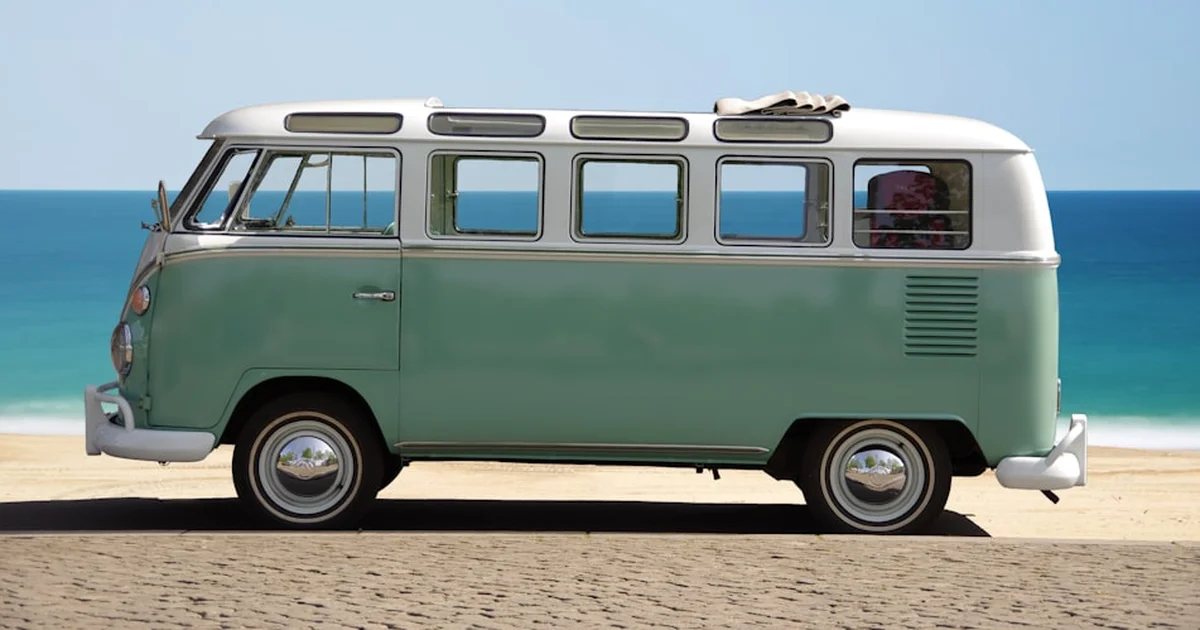
Photo by [Unsplash](https://unsplash.com). Licensed under Unsplash License.
Van Conversion Cost Guide: $5K, $15K, and $50K Build Breakdowns (2026)
The cost of van conversion for a full build can range anywhere from $5,000 to over $50,000 — and that's not a typo. The gap between a bare-bones weekend warrior setup and a fully off-grid custom camper is massive, and most online guides either sugarcoat the real numbers or blow the budget with unnecessary upgrades.
We talked to dozens of van lifers, reviewed hundreds of build receipts, and broke the cost of van conversion down into three realistic budget tiers: $5K–$10K, $15K–$25K, and $35K–$50K+. Whether you're swinging a hammer for the first time or hiring a professional shop, this guide shows you exactly where every dollar goes.
Quick planning tip: Use our Van Life Cost Calculator to estimate your total conversion budget based on your specific vehicle, needs, and travel style.
Note: This guide covers the one-time cost of converting a van. For ongoing monthly expenses like fuel, insurance, and camping fees, see our Van Life Cost Breakdown.
Van Conversion Cost at a Glance
| Build Level | DIY Cost | Pro Shop Cost | Best For | Timeline |
|---|---|---|---|---|
| Budget | $5K–$10K | $30K–$40K | Weekend warriors, minimal build | 2–4 weeks |
| Mid-Range | $15K–$25K | $40K–$60K | Full-time living, solar + kitchen | 1–3 months |
| Premium | $35K–$50K+ | $60K–$80K+ | Long-term comfort, lithium + custom | 3–6 months |
Costs exclude the van itself ($8K–$45K depending on age and mileage).
Why This Van Conversion Cost Guide Matters
Everyone wants to know "how much does a van conversion cost?" and everyone gets a different answer—because the range is genuinely massive. A basic DIY build with a mattress platform and a portable stove can cost under $5,000 in materials. A professional luxury conversion with lithium batteries, solar array, indoor shower, and custom cabinetry runs $60,000-$100,000+. The truth is somewhere in the middle for most people: $15,000-$35,000 for a comfortable DIY build that covers all the systems you actually need. This guide breaks down every cost category with real numbers so you can plan your build without guesswork.
The True Cost of Van Conversion in 2026
See your exact number — plug in your state and travel style
Try the Cost CalculatorFree · Based on 2026 real data · All 50 states
Free · 2026 data · All 50 states
The cost of van conversion in 2026 has risen roughly 15-20% compared to 2023, driven by increases in lithium battery prices, solar panel demand, and skilled labor rates. Despite these increases, the cost of van conversion remains significantly lower than purchasing a comparable Class B RV.
A realistic budget for a comfortable full-time van conversion falls between $15,000 and $35,000 in materials. This covers insulation, a basic kitchen, an electrical system with solar charging, a bed platform, and essential ventilation. Add the cost of the van itself ($8,000-$45,000 depending on age and mileage) and you're looking at a total investment of $23,000-$80,000 to hit the road.
The good news: you don't need to spend that much upfront. The phased approach we outline below lets you start with a $5,000-$10,000 build and add systems over time as your budget allows.
What Determines Your Van Conversion Cost
If you're wondering what the true cost of van conversion is, the answer depends on your expectations. A bare-bones van build cost breakdown can start as low as $5,000, but most van lifers spend $15,000-$25,000 for a comfortable setup. The cost to build out a van varies based on your electrical needs, insulation quality, and whether you hire professional help.
Before diving into budget tiers, it's worth understanding what actually drives the price tag up or down. Here are the main cost factors:
The Van Itself
The cargo van you start with sets the baseline. A used Ford Transit, Ram ProMaster, or Mercedes Sprinter can cost anywhere from $8,000 for a high-mileage 2010 model to $45,000+ for a newer low-mileage vehicle. The Mercedes Sprinter commands a $5K–$10K premium over comparable Transits. For budget builds, many people start with older, higher-mileage vans — but budget at least $2,000–$4,000 for immediate mechanical fixes.
Electrical System
This is usually the single most expensive system in a van conversion. A basic 12V setup with a single battery might cost $500, while a full solar-powered system with lithium batteries, inverter, and shore power hookup can easily run $3,000–$8,000. The type of battery (lead-acid vs. LiFePO4) makes a huge difference — lithium costs 2–3× upfront but lasts 5–10× longer.
The Electrical System: Where Most Budgets Get Eaten
The electrical system is consistently the single most expensive component in any van conversion. Here's what you get at each price point (source: vanlifeescape.com):
- $2,000-$4,000 (Budget): 100-200Ah lead-acid or entry-level lithium, 300W inverter, basic USB outlets, no solar. Enough to charge phones and run LED lights.
- $5,000-$8,000 (Mid-Range): 200-400Ah LiFePO4, 2000W+ pure sine wave inverter, 200-400W solar, shore power charging, Bluetooth monitoring. This is where most full-time van lifers aim.
- $12,000-$20,000 (Premium): 600-1000Ah LiFePO4, 48V architecture, 600-1000W+ solar, 3000-5000W inverter, runs AC and induction cooking. Overkill for most, necessary for some.
Insulation and Framing
Skipping insulation is the #1 regret of budget builders. Havelock wool insulation costs around $0.50–$0.80 per square foot, while XPS foam is cheaper but less effective in extreme temperatures. A proper insulation job for a high-roof Transit runs $500–$1,500 including materials and labor.
Kitchen Setup
A camp stove and a cooler? $100. A full built-in kitchen with a compressor fridge, sink, and propane system? $1,500–$4,000. The compressor fridge alone is a $400–$900 line item.
Plumbing and Water System
Running water is a luxury that many van lifers consider essential. A basic gravity-fed system with a 5-gallon container costs under $100. A pressurized system with a tank, pump, water heater, and grey water tank can cost $800–$2,500.
Windows, Ventilation, and Roof Accessories
Windows cost $150–$500 each installed. A MaxxAir fan runs $200–$350. Skylights and additional ventilation add $100–$400. Roof racks for gear range from $200–$1,500 depending on the system.
Labor (DIY vs. Professional)
Labor is the biggest cost multiplier. Professional conversion shops charge $100–$200/hour for skilled work, and a full build can take 200–500 labor hours. That's $20,000–$100,000 in labor alone. DIY converts save this cost entirely — but invest hundreds of hours of their own time. Understanding the full cost of van conversion means accounting for both money and time.
Detailed Cost by Category
| Category | Low | Average | High | Notes |
|---|---|---|---|---|
| Base Van | $5,000 | $25,000 | $60,000 | Used cargo van to new Sprinter/Transit (source: usecalcpro.com) |
| Insulation & Interior | $700 | $2,200 | $12,000 | Thinsulate/XPS/spray foam + wall panels |
| Electrical System | $2,000 | $6,000 | $20,000 | Battery bank, inverter, solar panels, wiring. Most expensive single component (source: vanlifeescape.com) |
| Kitchen & Plumbing | $1,500 | $5,000 | $12,000 | Water tanks, pump, sink, cooktop, fridge |
| Bed & Storage | $400 | $3,000 | $12,000 | Platform bed to custom cabinetry with integrated storage |
| Climate Control | $500 | $2,000 | $5,000 | Roof fan + diesel heater (low) to 12V AC (high) |
| Flooring | $300 | $1,200 | $3,000 | Vinyl plank most popular for vans |
| Labor | $0 (DIY) | $8,000 | $40,000 | $65-$120/hr professional rates. 80-300 hours for mid-range build |
| Permits & Inspection | $0 | $1,000 | $3,000 | Varies by state/municipality |
| Contingency | $500 | $2,500 | $5,000 | 10-15% buffer for mistakes, shipping, last-minute additions |
Van Conversion Cost Breakdown by Build Level
Here's what real builds look like across three tiers, based on data from hundreds of completed conversions (source: thevansmith.com, homecostguide.com):
| Build Level | DIY Materials | Professional Build | What's Included |
|---|---|---|---|
| Budget | $5,000–$10,000 | $30,000–$40,000 | Basic insulation, bed platform, minimal electrical (100-200Ah battery), no solar or simple 100W panel, no plumbing |
| Mid-Range | $15,000–$25,000 | $40,000–$60,000 | Full insulation, 200-400Ah LiFePO4, 200-400W solar, kitchen with sink/cooktop/fridge, water system, diesel heater |
| Premium | $25,000–$35,000+ | $60,000–$80,000+ | High-end everything: 600-1000Ah battery, 600-800W+ solar, indoor shower, AC, custom cabinetry, premium finishes |
Note: Base van ($5,000-$60,000) not included in conversion costs above.
Budget Build: $5,000 – $10,000
This is the "scrappy but functional" tier. It works for people with mechanical skills, a tolerance for roughing it, and a tight budget. Expect to spend 200–400 hours of your own labor.
Itemized Cost Breakdown
| Category | Budget Range | Details |
|---|---|---|
| Van Purchase | $0 (already own) – $5,000 | High-mileage Ford E-350 or similar |
| Insulation | $200 – $500 | Reflectix + XPS foam, DIY install |
| Electrical | $300 – $800 | 100Ah lead-acid battery, 200W solar panel, basic wiring |
| Framing & Walls | $300 – $600 | Plywood paneling, basic framing |
| Bed Platform | $150 – $400 | Plywood frame with foam mattress |
| Kitchen | $100 – $400 | Portable camp stove, cooler, no built-in sink |
| Ventilation | $100 – $300 | Roof vent fan (MaxxAir or similar) |
| Windows | $0 – $400 | Factory windows only, or 1–2 aftermarket |
| Tools & Misc | $200 – $500 | Basic hand tools, hardware, adhesives |
| Total Conversion | $1,550 – $4,400 | Excluding van purchase |
| Total with Van | $6,550 – $9,400 | Including used van |
What You Get
- A functional sleeping platform and basic insulation
- A minimal electrical system that charges phones, runs LED lights, and powers a laptop
- A portable kitchen setup — no running water or built-in fridge
- Basic ventilation through a roof fan
- No shower, no toilet, no heated water
Honest Trade-Offs
At this budget, you'll feel the compromises daily. Lead-acid batteries need replacement every 1–2 years. Minimal insulation means freezing mornings in winter and sweltering afternoons in summer. No running water means campground showers or gym memberships. But it's a legitimate starting point — plenty of van lifers began here and upgraded over time.
If you're looking for a step-by-step guide to getting started, check out our How to Start Van Life guide for practical first steps.
Mid-Range Build: $15,000 – $25,000
This is the sweet spot for most van lifers. You get a comfortable, full-time-capable build with reliable systems — without the luxury markup. Most DIY builders at this tier have some experience with tools and aren't afraid of electrical wiring.
Itemized Cost Breakdown
| Category | Mid-Range Cost | Details |
|---|---|---|
| Van Purchase | $8,000 – $18,000 | 2014–2018 Transit/Sprinter, 80K–150K miles |
| Insulation | $600 – $1,200 | Havelock wool or Thinsulate, full walls/ceiling/floor |
| Electrical | $1,500 – $3,500 | 200–400Ah LiFePO4, 400–600W solar, 2000W inverter, shore power |
| Framing & Walls | $600 – $1,200 | T-slot aluminum or wood framing, tongue-and-groove or slat walls |
| Bed Platform | $400 – $800 | Fixed bed with garage underneath, quality mattress |
| Kitchen | $800 – $2,000 | Built-in counter, 12V compressor fridge, 2-burner stove, sink |
| Plumbing | $500 – $1,500 | 20–30 gal fresh tank, pump, sink, basic grey water system |
| Ventilation | $300 – $600 | MaxxAir fan + 1–2 windows |
| Windows/Doors | $400 – $1,200 | 2–4 aftermarket windows, sliding door window |
| Flooring | $200 – $500 | Vinyl plank or hardwood-look LVP |
| Tools & Misc | $300 – $800 | Power tools, fasteners, sealants, safety gear |
| Total Conversion | $5,600 – $13,500 | Excluding van purchase |
| Total with Van | $13,600 – $31,500 | Including van |
What You Get
- A properly insulated van that handles a wide range of climates
- A lithium battery system that powers devices, a fridge, lights, and a laptop all day — even without sun for 1–2 days
- A built-in kitchen with a compressor fridge (this alone is life-changing)
- A basic pressurized water system with a sink
- A comfortable fixed bed with storage underneath
- Quality ventilation and natural light
Where to Splurge and Where to Save
Splurge on: Electrical system. Go lithium if you can — it eliminates the single biggest maintenance headache. Also invest in a good compressor fridge; a 12V fridge uses dramatically less power than a propane/absorption fridge.
Save on: Walls and aesthetics. Tongue-and-groove cedar walls look gorgeous but cost $1,000+. Plywood slats or even painted plywood look clean and cost a fraction. The outside appearance matters less than you think once you're living inside.
Not sure where your budget lands? Run the numbers through our Van Life Cost Calculator to get a personalized estimate.
Premium Build: $35,000 – $50,000+
This is where professional-grade components, premium materials, and in some cases professional installation come into play. Many builds at this tier are done by conversion shops like Outside Van, Sportsmobile, or Wayfarer Vans — though some are DIY builds with top-of-the-line components.
Itemized Cost Breakdown
| Category | Premium Cost | Details |
|---|---|---|
| Van Purchase | $20,000 – $45,000 | 2020–2024 Sprinter/Transit AWD, low miles, extended wheelbase |
| Insulation | $1,500 – $3,000 | Closed-cell spray foam, full thermal + sound deadening |
| Electrical | $4,000 – $10,000 | 400–800Ah LiFePO4, 800–1200W solar, 3000W inverter, Victron system, shore power |
| Framing & Walls | $1,500 – $3,500 | Custom cabinetry, hardwood or composite panels, professional finish |
| Bed Platform | $800 – $2,000 | Fixed bed with hydraulic lift, premium mattress, optional convertible seating |
| Kitchen | $2,000 – $5,000 | Full galley kitchen, induction cooktop, large compressor fridge, oven, extensive storage |
| Plumbing | $1,500 – $4,000 | 30–40 gal fresh tank, hot water heater (Eccotemp/Truma), indoor/outdoor shower, grey tank |
| HVAC | $1,500 – $4,000 | Diesel heater (Webasto/Espar), rooftop A/C unit |
| Ventilation | $500 – $1,000 | MaxxAir fan + skylight + 3–4 custom windows |
| Flooring | $500 – $1,000 | Premium vinyl, heated flooring, or custom tile |
| Bathroom | $500 – $2,000 | Composting toilet, curtain enclosure, wet bath setup |
| Professional Labor | $10,000 – $30,000+ | If using a conversion shop (200–500 hours at $75–$175/hr) |
| Total Conversion | $15,000 – $65,000 | Excluding van purchase |
| Total with Van | $35,000 – $110,000 | Including van |
What You Get
- A vehicle that rivals a small studio apartment in comfort
- Off-grid capability for 5–7+ days without external power or water
- Hot water on demand, a proper shower, and a composting toilet
- Heating AND air conditioning for true four-season living
- Professional-grade cabinetry and finishes
- Often, a build that holds its value well if you decide to sell
Is It Worth It?
For full-time van lifers who plan to be on the road for 3+ years, a premium build can pay for itself in comfort, reliability, and resale value. For weekend warriors or those uncertain about the lifestyle, it's often better to start mid-range and upgrade later. If you're considering where to park and live long-term, our guide to the best states for van life covers the most van-friendly locations in the country.
Cost Breakdown by System
To make comparison easier, here's how the major systems stack up across all three budget tiers:
| System | Budget ($5K–$10K) | Mid-Range ($15K–$25K) | Premium ($35K–$50K+) |
|---|---|---|---|
| Electrical | $300–$800 | $1,500–$3,500 | $4,000–$10,000 |
| Insulation | $200–$500 | $600–$1,200 | $1,500–$3,000 |
| Plumbing | $0–$100 | $500–$1,500 | $1,500–$4,000 |
| Kitchen | $100–$400 | $800–$2,000 | $2,000–$5,000 |
| Bed/Seating | $150–$400 | $400–$800 | $800–$2,000 |
| Windows/Ventilation | $100–$700 | $700–$1,800 | $1,000–$2,000 |
| HVAC | $0 | $0–$500 | $1,500–$4,000 |
| Bathroom | $0 | $0–$300 | $500–$2,000 |
| Flooring | $0–$200 | $200–$500 | $500–$1,000 |
Key Takeaways
- Electrical is the most expensive system at every tier. Budget accordingly and don't undersize.
- HVAC is a premium-tier expense. Diesel heaters ($1,000–$2,500 installed) are a game-changer for cold climates, but rooftop A/C units require a massive electrical system to support.
- Plumbing has the widest swing — from $0 (no running water) to $4,000+ (pressurized hot/cold with a shower). The mid-range setup ($500–$1,500) covers most needs.
For a deeper look at ongoing costs beyond the conversion itself, read our Van Life Cost Breakdown guide.
DIY vs Professional Conversion: Cost Comparison
The biggest cost variable in any van build is labor. Here's a side-by-side comparison:
| Factor | DIY Build | Professional Build |
|---|---|---|
| Labor Cost | $0 (your time) | $10,000–$50,000+ |
| Time Investment | 200–500 hours | 4–12 weeks |
| Material Cost | $5,000–$25,000 | $5,000–$25,000 |
| Quality Control | You're the inspector | Professional warranty |
| Customization | Unlimited | May have shop limitations |
| Mistake Cost | $100–$1,000 in do-overs | Included in labor rate |
| Resale Value | Lower (buyer uncertainty) | Higher (documented build) |
| Best For | Skilled DIYers, tight budgets | Non-DIYers, complex builds |
The Real Cost of DIY
DIY sounds cheap until you factor in mistakes. A mis-cut cabinet panel, a fried charge controller, or improper waterproofing that leads to mold — these add up. Most first-time DIY builders spend 30–50% longer than expected and go 10–20% over their initial material budget.
When to Hire a Pro
Consider a professional conversion if:
- You need complex electrical work (lithium battery systems, inverters over 2000W)
- You want custom cabinetry with professional-grade finishes
- You need gas/diesel heater installation (safety-critical)
- Your time is worth more than the hourly shop rate
DIY vs Professional: The Real Math
At $65-$120/hr professional rates, a 200-hour mid-range build costs $13,000-$24,000 in labor alone. If you DIY that same build, you're saving $12,000+ but investing 200 hours of your time. If you value your time at $60/hr, the break-even point is roughly $12,000 in labor savings—which means DIY only makes financial sense if you have the skills and patience. Many van lifers do a hybrid: DIY insulation, framing, and flooring, then hire a professional for electrical and plumbing (source: usecalcpro.com).
How to Save Money on Your Van Conversion
1. Buy the Right Van
Don't overspend on the vehicle. A $15,000 Ford Transit with 120K miles converts just as well as a $35,000 Sprinter with 40K miles. The money you save on the van is money you can invest in a better electrical system or insulation — things that affect daily comfort.
2. Phase Your Build
You don't have to build everything at once. Start with insulation, electrical, and a bed. Add the kitchen and plumbing later as budget allows. This approach also lets you learn what you actually need versus what you thought you'd need.
3. Source Materials Strategically
- Buy used windows from Facebook Marketplace or van life forums (often 50% off retail)
- Check Habitat for ReSTORE or building surplus yards for insulation and lumber
- Use Amazon Warehouse Deals for damaged-box electrical components at a discount
- Look for end-of-season sales on solar panels and batteries
4. DIY What You Can, Outsource What You Can't
Handle demolition, insulation, framing, paneling, and painting yourself. Hire an electrician for the battery/inverter wiring if you're not confident — a $500 electrician visit saves you from a $2,000 fire.
5. Keep It Simple
Every additional system adds cost, weight, and maintenance. A 12V compressor fridge uses far less power than a residential fridge. A propane stove is simpler and cheaper than induction. A composting toilet eliminates the need for a black tank and complex waste plumbing.
6. Use a Detailed Budget Spreadsheet
Track every purchase. Most builders underestimate costs by 20–40% because they forget about fasteners, sealants, wire, fuses, and tools. Our Van Life Checklist includes a budgeting template to keep you on track.
7. Join the Community
Van life Facebook groups, Reddit (r/vandwellers), and YouTube build series are free resources. You'll find detailed cost breakdowns, supplier recommendations, and people willing to give away leftover materials from their own builds.
Keep Exploring
- Once your van is built, you'll need to budget for life on the road. Our van life budget guide covers monthly costs from fuel to campground fees.
- Want to save on campground fees? Our free camping apps guide helps you find dispersed and free sites nationwide.
- Ready to test your new build? Los Padres National Forest near Big Sur offers free dispersed camping to shake down your electrical and water systems.
Conclusion
The van conversion cost depends entirely on your priorities. A $5,000 build will get you on the road with a bed and a solar panel. A $25,000 build gives you a comfortable full-time home on wheels. A $50,000+ build delivers apartment-level amenities in a vehicle that goes anywhere.
The biggest mistake first-time builders make isn't overspending — it's underspending on the things that matter most: insulation, electrical capacity, and ventilation. Those three systems determine whether your van is a delight to live in or a miserable box that's too hot, too cold, and too dark.
Whatever your budget, the best approach is to start building. Every van on the road started as an empty metal shell — including yours.
2027 Van Conversion Cost Trends
If you're planning a build this year, there's genuinely good news on the components that eat up the biggest chunks of a van conversion budget. Lithium battery prices — especially LiFePO4 cells — have continued their downward trend, dropping roughly 15-20% compared to 2025 pricing. A 100Ah battery that would have set you back $400 two years ago is now closer to $300-$340 at mainstream retailers. Solar panel costs have also softened, with 200W panels now commonly available in the $150-$200 range. New insulation materials are worth watching too: recycled denim and mycelium-based options are entering the market at competitive prices with better environmental profiles than spray foam. These shifts mean a solid mid-range electrical setup that would have cost $3,000 in 2025 is now achievable for roughly $2,400-$2,600. For a full breakdown of where your money goes, check our van life cost breakdown guide, and if solar is a big part of your build, our solar panel setup guide covers the latest panel options and pricing.
Ready to plan your build? Use the Van Life Cost Calculator to estimate your total conversion cost based on your vehicle, travel style, and comfort level. Then grab our Van Life Checklist to make sure you don't miss a thing.
Frequently Asked Questions
How much does it cost to build a van house?
A van house conversion costs between $5,000 and $50,000+ depending on build quality. A basic DIY build with minimal electrical and simple framing runs $5,000-$10,000. A mid-range build with solar, insulation, kitchen, and bed platform costs $15,000-$25,000. A professional build with lithium batteries, custom cabinetry, and full plumbing can exceed $50,000. The cargo van itself costs an additional $8,000-$45,000.
What is the most expensive part of a van conversion?
The electrical system is typically the most expensive component, ranging from $500 for a basic single-battery setup to $3,000-$8,000 for a full solar system with lithium batteries and inverter. The van itself is the second largest expense ($8,000-$45,000). Insulation and framing ($500-$1,500) and kitchen setup ($100-$4,000) are the next major line items.
Is it cheaper to build a van or buy an RV?
A DIY van conversion is almost always cheaper than buying a new Class B or C RV. A basic van build costs $5,000-$10,000 while a new Class B RV starts at $80,000-$150,000. However, a used Class C RV ($25,000-$50,000) can be comparable to a mid-range van build. The van conversion offers more customization while an RV offers more amenities out of the box.
How much does a van life solar setup cost?
A basic van life solar setup costs $500-$1,500 with 100-200W panels and a lead-acid battery. A mid-range system with 200-400W panels and a 100Ah LiFePO4 battery costs $1,500-$3,000. A premium setup with 600W+ panels, 200Ah+ lithium battery, inverter, and shore power hookup runs $3,000-$8,000. Lithium batteries cost 2-3x more upfront but last 5-10x longer than lead-acid.
What's the cheapest van to convert for van life?
The cheapest cargo vans for conversion are used Ford Transits and Ram ProMasters, typically $8,000-$20,000 for a high-mileage model. The Mercedes Sprinter commands a $5,000-$10,000 premium. For the lowest total build cost, a used Ford Transit Connect (smaller but much cheaper at $5,000-$12,000) is the most affordable starting point, though you sacrifice standing room and living space.
Can you convert a van for under $5,000?
Technically yes, if you already own the van and only need a bed platform, basic insulation, and minimal electrical. However, this is a bare-minimum weekend setup — not suitable for full-time living. Most full-time van lifers recommend budgeting at least $8,000–$10,000 for a conversion that handles daily needs.
How long does a van conversion take?
A DIY build typically takes 200–500 hours over 2–6 months for someone working evenings and weekends. Professional shops can complete a build in 4–12 weeks, though popular shops often have 3–12 month waitlists.
Is van life actually cheaper than renting an apartment?
It can be, but not always. A paid-off van with a modest conversion eliminates rent, but you still have fuel, insurance, maintenance, campground fees, and food. The real savings come from eliminating rent ($1,000–$2,500/month depending on location) and building equity in a vehicle you can sell.
Plan Your Van Life Budget
Use our free calculator to estimate van life costs by state, based on real 2026 data.
Try the Cost Calculator