Van Life Checklist: 100+ Essentials for the Road
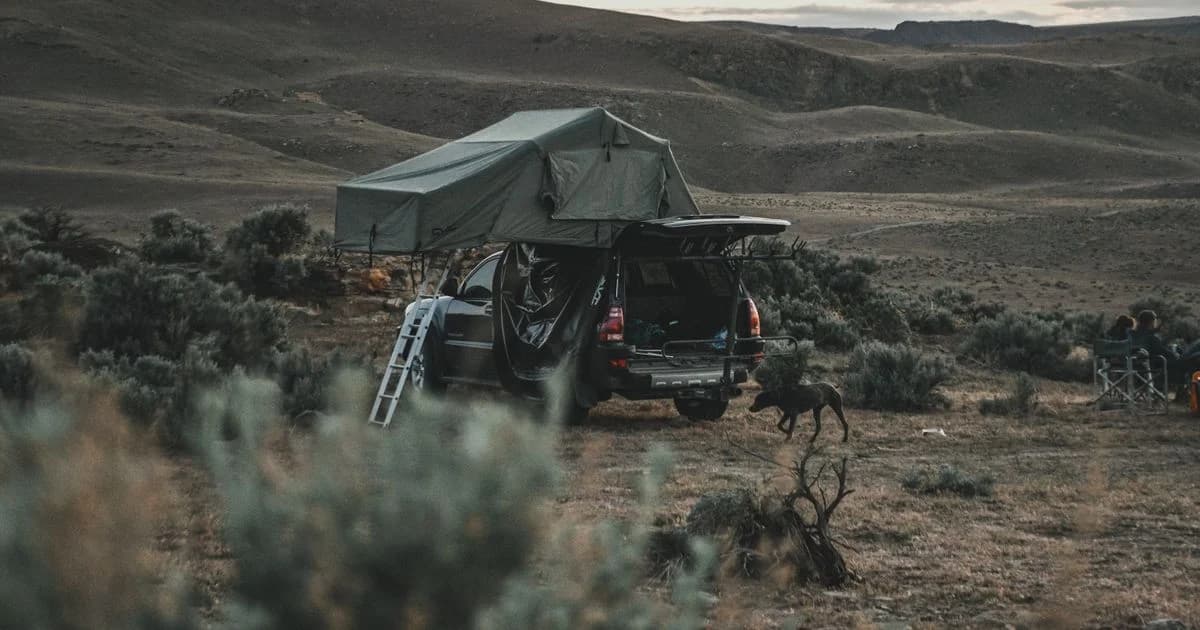
Photo by [Pexels](https://pexels.com/photo/9611342/). Licensed under Pexels License.
The Ultimate Van Life Checklist: 100+ Items for Your Road Ready Setup
You've watched the YouTube videos, saved the Instagram posts, and daydreamed about waking up to mountain views from the back of your van. Now you're ready to actually do it. But between the excitement and the open road, there's a massive list of details that can make or break your van life experience.
This van life checklist exists because we learned the hard way. Forgetting one critical item — like a spare fuse or a backup phone mount — can turn a dream trip into a frustrating ordeal. We've compiled over 100 items organized into six phases so you can work through them systematically, check each one off, and hit the road with confidence.
How to use this checklist: Start at Phase 1 and work forward. You don't need to complete every phase before moving to the next — but you do need to complete each phase before your first trip. Use the checkboxes to track your progress. Copy this list into a note-taking app or print the summary at the bottom.
Planning your budget first? Use our free Van Life Cost Calculator to estimate your monthly expenses before you commit to a single purchase.
Phase 1: Pre-Trip Planning Checklist
Before you buy a van or install a single solar panel, you need a solid plan. This phase covers the decisions that shape everything else.
Financial Planning
- Set a total van life budget (purchase + conversion + 3-month emergency fund)
- Calculate estimated monthly living costs (fuel, food, insurance, campground fees)
- Open a dedicated travel savings account
- Research remote income options or confirm work-from-road arrangement with employer
- Set up a budgeting system (app or spreadsheet) to track van life expenses
Need help crunching the numbers? Our Van Life Cost Breakdown shows exactly where your money goes each month based on real full-timers.
Route & Destination Planning
- Draft a rough 3-month itinerary with key destinations
- Identify best states for van life based on your climate preferences and boondocking needs
- Bookmark free overnight parking resources (Bloomberg, iOverlander, Harvest Hosts)
- Research seasonal weather patterns for your target regions
- Download offline maps for areas with poor cell coverage
Lifestyle Decisions
- Decide solo vs. partner vs. pet travel setup
- Choose full-time vs. part-time van life timeline
- Establish a mail forwarding service (e.g., Escapees, St. Brendan's Isle)
- Set up a domicile state for legal/residency purposes
- Notify bank and credit card companies of travel plans
- Cancel unnecessary subscriptions and reduce monthly fixed costs
Phase 2: Van Selection & Purchase Checklist
The right van is the foundation of everything. Rush this step and you'll pay for it in repairs and regret.
Vehicle Research
- Research van types: cargo vans (Sprinter, Transit, Promaster) vs. minivans vs. school buses
- Determine ideal van size based on solo, couple, or family needs
- Compare wheelbase options (144", 170", 170" extended) for interior space vs. drivability
- Decide new vs. used — most van lifers buy used to reduce depreciation hit
- Set maximum purchase price based on your overall budget
Mechanical Inspection (Used Vans)
- Pull vehicle history report (Carfax or AutoCheck)
- Verify odometer reading — aim for under 150,000 miles for diesel, under 100,000 for gas
- Check for rust on frame, wheel wells, and undercarriage
- Inspect tire condition and DOT date codes (replace if over 6 years old)
- Test all electronics: headlights, brake lights, turn signals, hazard flashers
- Check engine oil condition and fluid levels
- Listen for unusual engine noises during idle and under load
- Test transmission shifts (smooth, no slipping or hesitation)
- Inspect brakes — pads, rotors, and brake fluid condition
- Check suspension components for wear (bushings, shocks, springs)
- Verify AC and heating both function properly
- Have a trusted mechanic perform a pre-purchase inspection ($100–$200)
Paperwork
- Confirm title is clean (not salvage or rebuilt unless intentionally purchasing)
- Verify VIN matches title and registration
- Complete bill of sale with seller signature and purchase price
- Register vehicle in your name within your state's deadline
- Obtain license plates and display registration sticker
Phase 3: Conversion & Build-Out Checklist
Start by knowing your budget — try the calculator
Try the Cost CalculatorFree · Based on 2026 real data · All 50 states
Free · 2026 data · All 50 states
This is where your van becomes a home. Prioritize systems that support your specific lifestyle — a weekend warrior needs a very different setup than a full-timer.
Converting on a budget? Check our Van Conversion Cost Guide for realistic price ranges at every level.
Insulation & Walls
- Install floor insulation (XPS foam or closed-cell spray foam)
- Insulate walls with Havelock wool, Thinsulate, or foam board
- Insulate ceiling/roof panels to reduce heat transfer and condensation
- Install vapor barrier where appropriate for your climate
- Apply wall paneling (plywood, tongue-and-groove, or aluminum composite)
Electrical System
- Size your solar array (aim for 200W minimum for basic needs, 400W+ for full-time)
- Install solar charge controller (MPPT recommended over PWM)
- Choose and install battery bank (LiFePO4 recommended — 100Ah minimum for solo, 200Ah+ for couples)
- Install inverter (1000W minimum for running laptops and small appliances)
- Wire 12V DC outlets and USB charging ports throughout the van
- Install LED lighting with dimmer switches
- Add a shore power inlet and battery isolator for alternator charging while driving
- Label all wires and create a wiring diagram for future troubleshooting
Water System
- Install fresh water tank (15–20 gallons minimum for 2–3 days off-grid)
- Install water pump (12V diaphragm pump, 3.0 GPM recommended)
- Set up sink with faucet and drain
- Install grey water tank or plan for legal grey water disposal
- Add inline water filter (0.5 micron sediment + carbon)
- Carry separate 5-gallon jugs for emergency water supply
- Install water heater if hot water is a priority ( Eccotemp or tankless propane)
Bed & Living Space
- Build or install bed platform with ventilation underneath
- Select mattress (memory foam cut-to-size or inflatable — measure your van carefully)
- Add bedding: sleeping bag rated to 20°F or blankets + sheets
- Install privacy curtains or Reflectix window covers for all windows
- Build or mount storage compartments under the bed
- Install at least one overhead or wall-mounted shelf
Kitchen Setup
- Install a 2-burner propane cooktop or single-burner butane stove
- Mount a small fridge (12V compressor fridge — 30–50 quart size)
- Build a countertop with cutting board area
- Install a sink with hand pump or electric pump faucet
- Create utensil storage with dividers or hanging organizers
- Set up a dish drying rack or drain board
- Mount a fire extinguisher within arm's reach of the cooking area
Ventilation & Climate
- Install a roof fan (MaxxAir or Fan-Tastic Vent with rain cover)
- Add at least one additional window or vent for cross-ventilation
- Install a 12V fan for air circulation on still days
- Plan for heating: diesel heater (most efficient) or propane heater with proper ventilation
- Add Reflectix or insulated window covers for temperature control
Phase 4: Essential Gear & Equipment
Your build is done. Now it's time to fill your van with the gear that makes daily life functional, comfortable, and safe.
Kitchen & Food Gear
- 3-day non-perishable food supply (canned goods, rice, pasta, nuts, jerky)
- Cooler or 12V fridge for perishables
- Cast iron skillet or non-stick pan
- Collapsible mixing bowls and cutting board
- Utensil set: spatula, ladle, tongs, can opener, bottle opener
- Plate, bowl, and mug for each person (enamel or stainless steel)
- Dish soap, sponge, and quick-dry towel
- Spice kit in a small organizer
- Trash bags (contractor bags hold up better than standard)
- Bear spray or food storage box if camping in wildlife areas
Outdoor & Camp Gear
- Folding camp chairs (one per person)
- Quick-pitch awning or tarp shelter
- Outdoor rug or ground mat
- Headlamp with red-light mode
- Lantern for ambient lighting
- Firewood and fire starters (where permitted)
- Portable camping table
- Hammock with tree straps
- Quick-dry towel and toiletry kit
Safety & Emergency
- First-aid kit (bandages, antiseptic, pain relievers, tweezers, medical tape)
- Fire extinguisher (ABC-rated, mounted near exit)
- Carbon monoxide detector (non-negotiable if running propane or diesel heater)
- Smoke detector
- Multi-tool or Leatherman
- Duct tape and zip ties (the universal repair kit)
- Jumper cables or portable lithium jump starter
- Tire repair kit and 12V air compressor
- Spare tire (verify it's included and properly inflated)
- Flashlight with extra batteries
- Emergency blanket and hand warmers
- Towing straps and basic recovery gear
Electronics & Connectivity
- Cell phone signal booster (weBoost Drive Reach or similar)
- Portable Wi-Fi hotspot with data plan
- Power bank (20,000 mAh minimum)
- 12V phone mount for navigation
- Extra charging cables (USB-C, Lightning, micro-USB)
- Laptop with car charger adapter
- Backup external hard drive or cloud backup for important documents
- Portable speaker for camp entertainment
Cleaning & Maintenance
- Handheld vacuum or 12V vacuum
- Broom and dustpan
- Multi-surface cleaning spray
- Paper towels and reusable cloths
- Biodegradable soap for body and dishes
- Odor absorber (baking soda or activated charcoal bags)
- Bungee cords and cargo nets for securing items while driving
- Basic tool kit: screwdrivers, wrench set, Allen keys, wire strippers
Phase 5: Documents & Legal Checklist
Paperwork isn't glamorous, but it keeps you out of trouble and ensures help can reach you when you need it.
Vehicle Documents
- Current vehicle registration (keep a copy in the van and on your phone)
- Proof of auto insurance (full coverage recommended for full-timers)
- Copy of vehicle title stored digitally
- Roadside assistance membership (AAA, Good Sam, or Coach-Net)
Personal Documents
- Valid driver's license (check expiration — renew before the trip if expiring within 6 months)
- Passport or government-issued ID
- Health insurance card and policy number
- List of emergency contacts (printed and saved on phone)
- Copy of birth certificate or SSN card (stored digitally, not in the van)
- Power of attorney document (if full-time, designate someone to handle affairs in your absence)
Health & Medical
- 90-day prescription refill for any ongoing medications
- List of allergies and medical conditions (printed card for wallet)
- Locate urgent care clinics along your planned route
- Verify telehealth coverage through your insurance plan
- Pack a 7-day emergency medication supply separate from your main kit
Domicile & Mail
- Establish legal domicile in your chosen state
- Set up mail forwarding service with confirmed forwarding address
- Register to vote in your domicile state
- Update your address with bank, credit cards, and subscription services
Unsure which state is right for your domicile? Browse our state guides to compare costs, laws, and van-friendliness.
Phase 6: First Trip Shakedown
Don't drive across the country on day one. Your first trip should be a local shakedown — a 2–3 day test run close to home where you can identify problems without being stranded in the middle of nowhere.
Before You Leave
- Fill the fuel tank
- Fill fresh water tank and verify no leaks
- Confirm batteries are fully charged (house and vehicle)
- Check tire pressure (including spare tire)
- Test all lights: headlights, taillights, brake lights, turn signals
- Verify propane tanks are full and connections are leak-free (soapy water test)
- Confirm carbon monoxide detector is functional (press the test button)
- Pack a complete change of clothes for 3 days
- Load 3-day non-perishable food supply
- Tell someone your itinerary and expected return time
- Download offline maps for your route
- Charge phone, power bank, and all electronics
During the Trip (Test These Specifically)
- Sleep in the van — confirm mattress comfort and ventilation
- Cook a full meal — test stove, water pump, and kitchen workflow
- Take a shower or use campground facilities — assess your hygiene setup
- Drive on the highway — listen for rattles, check mirror visibility, test mounting
- Park overnight — test window coverings for privacy and light blocking
- Use all electrical systems simultaneously — check for overloads or blown fuses
- Dump grey water — confirm your disposal method works in practice
- Set up and tear down camp — time how long it takes you
After the Trip
- Write down everything that broke, was missing, or was inconvenient
- Fix or replace any failed components before your next trip
- Reorganize storage based on what you actually reached for vs. what you packed
- Update this checklist with lessons learned
Printable / Copy-Friendly Summary
Use this condensed checklist as a quick-reference. Copy it into your notes app or print it out. Also worth noting: track the cost of van conversion with our detailed breakdown.
| Phase | Category | Key Items |
|---|---|---|
| Phase 1 | Pre-Trip Planning | Budget, route plan, mail forwarding, income plan |
| Phase 2 | Van Purchase | History report, mechanic inspection, clean title |
| Phase 3 | Conversion | Insulation, solar, water, bed, kitchen, ventilation |
| Phase 4 | Gear | Cookware, first aid, signal booster, cleaning supplies |
| Phase 5 | Documents | Registration, insurance, prescriptions, domicile setup |
| Phase 6 | Shakedown | 2–3 day test trip, sleep/cook/drive test, post-trip fix list |
Want to dig deeper into any of these areas? Start with How to Start Van Life for a complete beginner's roadmap from zero to full-time.
Frequently Asked Questions
How much does it cost to get started with van life?
Most van lifers spend between $10,000 and $50,000 total — including the van purchase and conversion. A basic used cargo van with a DIY conversion can start around $15,000, while a professionally converted Sprinter can exceed $80,000. Use our Van Life Cost Calculator to build a personalized budget based on your van choice, conversion level, and travel style.
What's the most important item on this van life checklist?
If we had to pick one, it's a reliable electrical system with adequate battery capacity. Without power, you lose lighting, phone charging, refrigeration, and water pumping. Size your solar array and battery bank for your actual usage, not the minimum you can get away with.
Do I need a special license to drive a converted van?
In most U.S. states, you do not need a special license if your van is under 26,000 lbs and not permanently classified as an RV. However, rules vary by state. Some states require inspection and reclassification for converted vehicles. Check your state's DMV requirements before registering a converted van.
How do I handle mail and residency while living in a van?
Most full-time van lifers use a mail forwarding service based in Texas, South Dakota, or Florida — states that allow full-timers to establish domicile without a permanent address. Services like Escapees or St. Brendan's Isle scan and forward your mail for a monthly fee. Pair this with a virtual phone number and digital document storage.
What van is best for van life beginners?
The Ford Transit (144" wheelbase, high roof) is widely considered the best starter van due to its driving ease, parts availability, and interior space. The RAM Promaster is a close second with its front-wheel-drive layout and boxy interior. If budget is tight, a Dodge Grand Caravan or Honda Odyssey minivan can work for solo travelers willing to compromise on space.
Final Thoughts
Van life is one of the most rewarding lifestyle choices you can make — but it rewards preparation far more than impulse. The difference between a van lifer who thrives on the road and one who burns out after three months usually comes down to one thing: how thoroughly they prepared before leaving.
Work through this van life checklist phase by phase. Don't skip the planning, don't rush the purchase, and absolutely don't skip the shakedown trip. Every checkbox you complete is a problem you won't have to solve at 11 PM in a Walmart parking lot.
Ready to start your van life journey? Use our Van Life Cost Calculator to build your budget, then head to How to Start Van Life for your complete step-by-step guide. Your future self — the one watching sunsets from a mountain ridge with everything they need in 80 square feet — will thank you.
Plan Your Van Life Budget
Use our free calculator to estimate van life costs by state, based on real 2026 data.
Try the Cost Calculator