Overnight Parking for Van Life: 50+ Cities Ranked (2026)
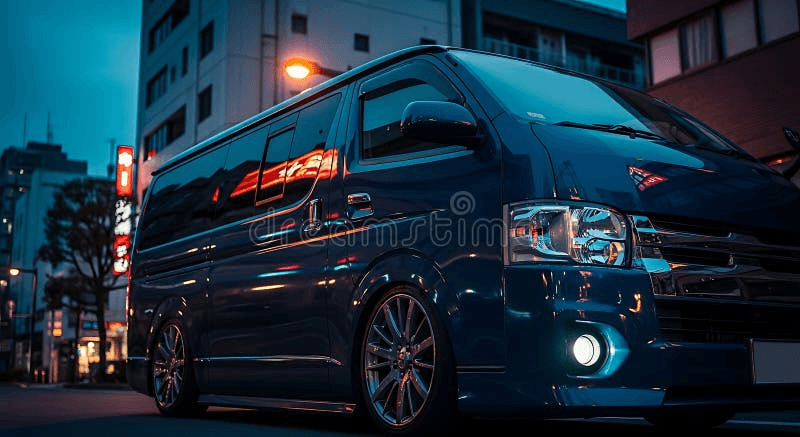
Photo by [Dreamstime](https://www.dreamstime.com). Licensed under [Dreamstime License](https://www.dreamstime.com/terms).
Overnight Parking for Van Life in Major Cities
The first time we needed to sleep in a city, we pulled into a Walmart parking lot in Tucson at 11 PM, cracked a window, and lay awake wondering if security would kick us out by morning. They didn't. We slept fine, and the next morning we bought breakfast inside before driving to Patagonia Lake for a few days of free desert camping. That experience taught us that overnight parking in cities is not the crisis people make it out to be. You just need to know the rules and the options.
Overnight parking for van life is legal in specific places in most American cities. The trick is knowing which places, what the local ordinances say, and how to avoid the $150 ticket that turns a free night into an expensive one. We've parked overnight in over 40 cities and learned which strategies work and which ones get you a knock on the window at 2 AM. Not sure how much all this costs month-to-month? Use our Van Life Cost Calculator to estimate your budget by state, including parking, fuel, and camping fees.
Legal Overnight Parking Options
Before we get to specific cities, here are the types of places where overnight parking is generally legal across the country.
Walmart. The classic van life overnight spot. Walmart's corporate policy allows overnight parking at most locations, but individual store managers can override this. About 70 to 80 percent of Walmarts allow it. The best approach is to call ahead or pull in and ask the manager directly. Park toward the back of the lot near the garden center, away from the main entrance. Don't set up camp (no chairs, no awning). Just sleep. We've done this dozens of times without issue.
Cracker Barrel. A lesser-known option that's been welcoming to overnight parkers for years. Their lots are usually smaller than Walmart's, so space is tighter, but they're consistent about allowing overnight stays. We've slept at Cracker Barrel locations in at least a dozen states.
Truck stops. Flying J, Pilot, Love's, and TA/Petro are all truck stop chains that generally welcome overnight parking. You're parking alongside big rigs, which is actually a safety advantage. The lots are well-lit, open all night, and have restrooms. Some truck stops charge a fee for non-commercial vehicles, but most don't. The noise from idling engines can make sleeping difficult. Bring earplugs.
Cabela's and Bass Pro Shops. These outdoor retail chains often allow overnight parking because their customer base overlaps heavily with the camping and overland community. Call ahead to confirm. We've parked at Cabela's in Arizona, Missouri, and Colorado without problems.
Casinos. Many casinos allow overnight RV and van parking because they want people on their property. This is especially true in Nevada, but casinos in other states often permit it too. Check before pulling in, as policies vary.
Rest areas. Interstate rest areas allow overnight parking in many states, but the rules vary. Some states limit stays to a specific number of hours. Oregon limits rest area stays to 12 hours. Other states don't specify a time limit at all. Check the posted signs when you arrive. Sleeping is typically fine. Setting up camp (chairs out, awning extended) is what gets you moved along.
City-by-City Guide
Here's what we've found for overnight parking in ten cities that van lifers frequently need to visit.
Los Angeles, CA. Strict overnight parking enforcement. Streets are cleaned on specific days and the towing is aggressive. Your best bet is truck stops along the I-710 corridor in Long Beach, or the Flying J near the LA/Long Beach border. Street parking for sleeping is risky unless you're in an industrial area and move every morning before 7 AM. The California campgrounds outside the city are a better option if you don't need to be downtown.
Denver, CO. The city has cracked down on overnight vehicle parking in recent years. Sleeping in vehicles on residential streets is illegal and actively enforced. Your options are truck stops along I-70 east of the city (the Flying J in Deer Trail is about 50 miles out), or 24-hour gym parking lots in industrial areas. Some Walmart locations in the outer suburbs still allow it, but call first.
Seattle, WA. One of the stricter cities for van parking. Overnight parking on most residential streets is prohibited between 1 AM and 6 AM. Commercial and industrial zones are your best bet for street parking. The best legal options are truck stops on the south side of the city near Sea-Tac airport, or the AllStays app can point you to specific lots that allow overnight stays. If you want to camp with a view, Diablo Lake is a beautiful free option in the North Cascades about two hours east.
Portland, OR. Portland has historically been more lenient than Seattle, but rules have tightened. Overnight parking is limited to 72 hours on any street, and sleeping in vehicles is restricted in residential zones. The Flying J along I-5 north of the city is a reliable overnight spot. Some 24-hour Fred Meyer parking lots allow overnight parking but check with the specific store.
Austin, TX. Relatively friendly for overnight van parking. The city doesn't have a specific ordinance against sleeping in vehicles. Truck stops along I-35 are reliable. Some Walmarts in the outer suburbs allow overnight parking. Enchanted Rock is about 90 minutes away and makes a great free camping alternative if you don't need to be in the city core.
Nashville, TN. Moderate enforcement. Street sleeping in residential areas is technically illegal but rarely enforced outside of complaint areas. The Flying J off I-40 east of downtown is a solid overnight option. Cracker Barrel locations in the suburban areas generally allow it. The city's tourism economy means they're not aggressively hostile to visitors in vehicles.
Savannah, GA. The historic district has strict parking rules and overnight street parking is actively ticketed. Your best bet is the truck stops along I-95 south of the city, or camping at one of the nearby state parks. Savannah's charm is worth the drive to a proper campground outside the city center.
Charleston, SC. Similar to Savannah, the historic peninsula has tight parking enforcement. Truck stops along US-17 north of the city are your best overnight option. The city is small enough that you can park outside the core and bike or rideshare in for the day.
Flagstaff, AZ. Surprisingly van-friendly for a tourist town. The city has dispersed camping within city limits on National Forest land that borders the eastern edge. The Coconino National Forest runs right up to town, and free boondocking is available on the east side. This makes Flagstaff one of the easiest cities for van lifers because you never need to park on the street. Bryce Canyon is about three hours north if you want to continue exploring.
Sedona, AZ. The city has cracked down on overnight parking because of van life popularity. Street sleeping is prohibited and enforced. The Coconino National Forest surrounding Sedona has excellent free dispersed camping and it's legal. Park at one of the designated forest service sites and hike or bike into Sedona for the day. The red rock scenery makes any of these free sites worth the trade-off. We spent three nights on Forest Road 152 with views of Cathedral Rock and didn't pay anything.
Chicago, IL. A challenging city for van overnight parking. Street sweeping schedules are aggressive and towing is common in areas where overnight parking is prohibited. Your best options are truck stops along I-294 (the Tri-State Tollway) on the west and south sides. The Pilot at Willow Springs off I-55 is a commonly used spot among van lifers passing through. Street parking for overnight sleeping in the city itself is risky and we don't recommend it unless you're in an industrial area and extremely careful about street cleaning schedules.
Apps for Finding Overnight Parking
Calculate how much your route will actually cost
Try the Cost CalculatorFree · Based on 2026 real data · All 50 states
Free · 2026 data · All 50 states
AllStays. The best app specifically for overnight parking. It shows Walmart locations that allow overnight parking, truck stops, rest areas, and user-submitted locations where people have safely slept in their vehicles. The app costs $10 as a one-time purchase and is worth every dollar.
GasBuddy. Primarily a fuel price app, but it shows truck stop locations and user reviews that often mention overnight parking policies. We use it to find fuel and check the reviews for overnight parking info at the same time.
Trucker Path. Designed for commercial truckers but extremely useful for van lifers. It shows truck stop locations, rest areas, and parking availability in real time. The parking availability feature is based on user reports and can tell you how full a lot is before you drive there.
iOverlander. As always, the community-driven data includes overnight parking spots in and around cities. The reviews usually mention whether the spot is safe, well-lit, and whether anyone has been hassled.
Safety Tips for Urban Overnight Parking
Safety is the number one concern when sleeping in a city, and it should be yours too.
Park in well-lit areas. A brightly lit Walmart parking lot is safer than a dark side street, even if the street seems quiet. You want visibility. You want witnesses. You want the deterrent effect of cameras and foot traffic.
Lock your doors and keep valuables out of sight. This sounds basic but it bears repeating. We keep a small safe bolted to the van frame for passports, cash, and electronics that we don't need daily. Everything else stays out of sight under curtains or in cabinets.
Have an exit plan. When you park somewhere new, identify two ways out before you go to sleep. If something happens, you want to be able to leave quickly without having to figure out which way to turn. We've never needed this, but we always think about it.
Trust your gut. If an area feels wrong, drive to the next option. There's always another spot. No overnight parking is worth feeling unsafe. We've left three or four spots over the years because something felt off, and none of them turned out to be dangerous. But the instinct to leave was always correct, and listening to it kept us comfortable.
Dealing with Knock on the Window
Even with the best planning, you'll sometimes get a knock on the window from a security guard, police officer, or concerned citizen. How you handle this matters.
Be polite. Every time. We've been asked to move by Walmart security twice in two years. Both times, we said "Of course, sorry about that, we'll move right now." We moved, we slept at the next option, and nobody got a ticket. Being difficult or argumentative never helps. The person knocking on your window has the authority to write a ticket or call a tow truck. Give them no reason to use either.
Know the local ordinance before it becomes relevant. If you're in a city that prohibits overnight vehicle sleeping, look up the specific code before you park there. That way, if someone knocks, you know whether you're actually breaking a law or just being asked to move from private property. The distinction matters for your response.
Keep your vehicle looking like a parked car, not a campsite. This is the single most effective strategy for urban overnight parking. No visible bedding through windows. No cooking smells (cook before you park, not after). No chairs outside. No awning extended. Your van should look like someone parked their work van and went home. We use Reflectix cut to fit our windows exactly, which blocks all visibility from outside.
Rotate your spots. If you're in a city for multiple days, don't park in the same spot two nights in a row. This avoids complaints from people who notice a van "living" in their area. We've had the best success parking in commercial areas where the daytime population goes home at night and the lot is essentially empty after 9 PM.
Winter considerations for urban overnight parking. In cities with freezing temperatures, running your diesel heater through the night in a commercial lot is generally fine if it's quiet. The exhaust from a Mr. Heater Buddy heater or a diesel heater like a Planar/Autoterm is minimal and most people won't notice. However, in dense urban areas or apartment-adjacent lots, the smell can draw attention. We've never had an issue, but we've heard from other van lifers who have. A portable propane heater used with proper ventilation is the quietest option for city overnight parking, though it requires you to manage propane supply more carefully. Also worth noting: dispersed camping rules on public land differ from overnight parking regulations.
2027 City Enforcement Updates
City enforcement around overnight vehicle parking has been shifting in 2027, and van lifers need to stay sharp. Portland rolled out new ordinances earlier this year that restrict overnight parking on streets adjacent to schools and parks, with towing enforcement ramping up after a 4-hour warning window. Austin has expanded its vehicle habitation ban zones to cover more of the city center and popular corridors near the trail system. Los Angeles extended its no-parking hours for oversized vehicles to include weekends on most residential streets, effectively eliminating the weekend street-sleeping workaround that many van lifers relied on. Denver's situation has evolved too — while some outer-suburban Walmarts still allow overnight parking, more city-adjacent locations have posted 24-hour no-parking signs. The overall trend is toward stricter enforcement in major metros, so always check the latest local ordinances before settling in. If you're planning to boondock near a city instead, our state-by-state dispersed camping guide covers where free camping is legal within driving distance of major urban areas.
FAQ
Is it legal to sleep in your van in cities?
It depends entirely on the city. Most cities don't have a specific law against sleeping in a vehicle, but they have ordinances against camping (having chairs out, awnings extended, or staying in one spot for more than 72 hours) and against living in vehicles on residential streets. The legal distinction between "sleeping" and "camping" is what matters. Sleeping in a Walmart lot is different from setting up camp on a residential street.
Can I overnight park at any Walmart?
No. Walmart's corporate policy allows it, but individual store managers can prohibit it. About 70 to 80 percent of locations permit overnight parking. Always call ahead or ask the manager when you arrive. Park in the back of the lot, don't set up any camping gear, and leave in the morning. Locations in cities with strict overnight parking laws are more likely to prohibit it.
Are truck stops safe for overnight van parking?
Generally yes. Truck stops are well-lit, open 24 hours, and have other people around at all times. The presence of professional truckers is actually a safety advantage because they're experienced with the area and tend to look out for each other. The main downside is noise from idling engines and early morning departures.
How has city overnight parking enforcement changed in 2027?
Portland has new ordinances restricting overnight parking near schools and parks with active towing enforcement. Austin expanded its vehicle habitation ban zones. Los Angeles extended no-parking hours for oversized vehicles to include weekends on residential streets. Denver has more no-parking signs at city-adjacent locations. Always check the latest local ordinances before settling into a spot.
Plan Your Van Life Budget
Use our free calculator to estimate van life costs by state, based on real 2026 data.
Try the Cost Calculator